6 ways ILGA-Europe practice intersectionality
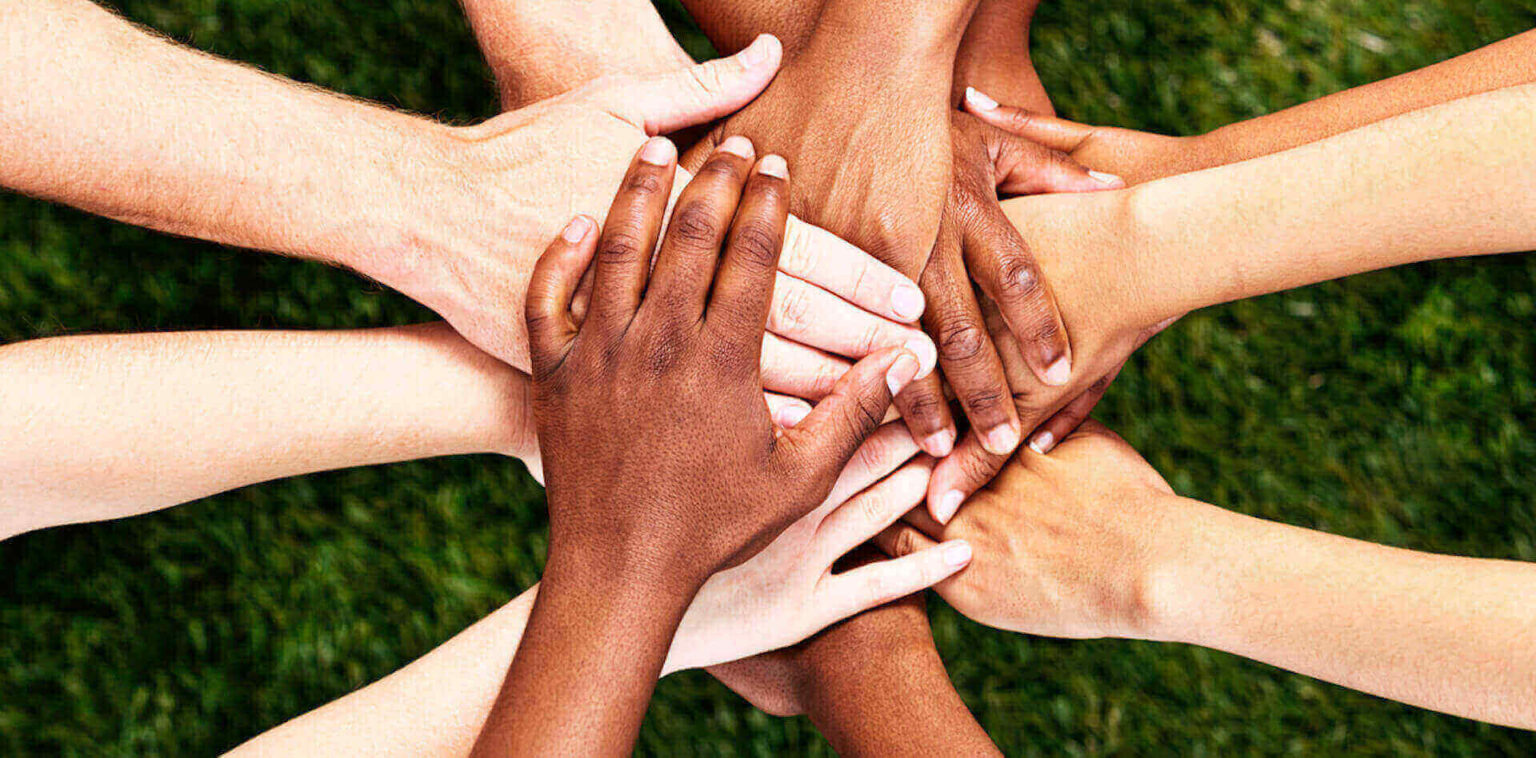
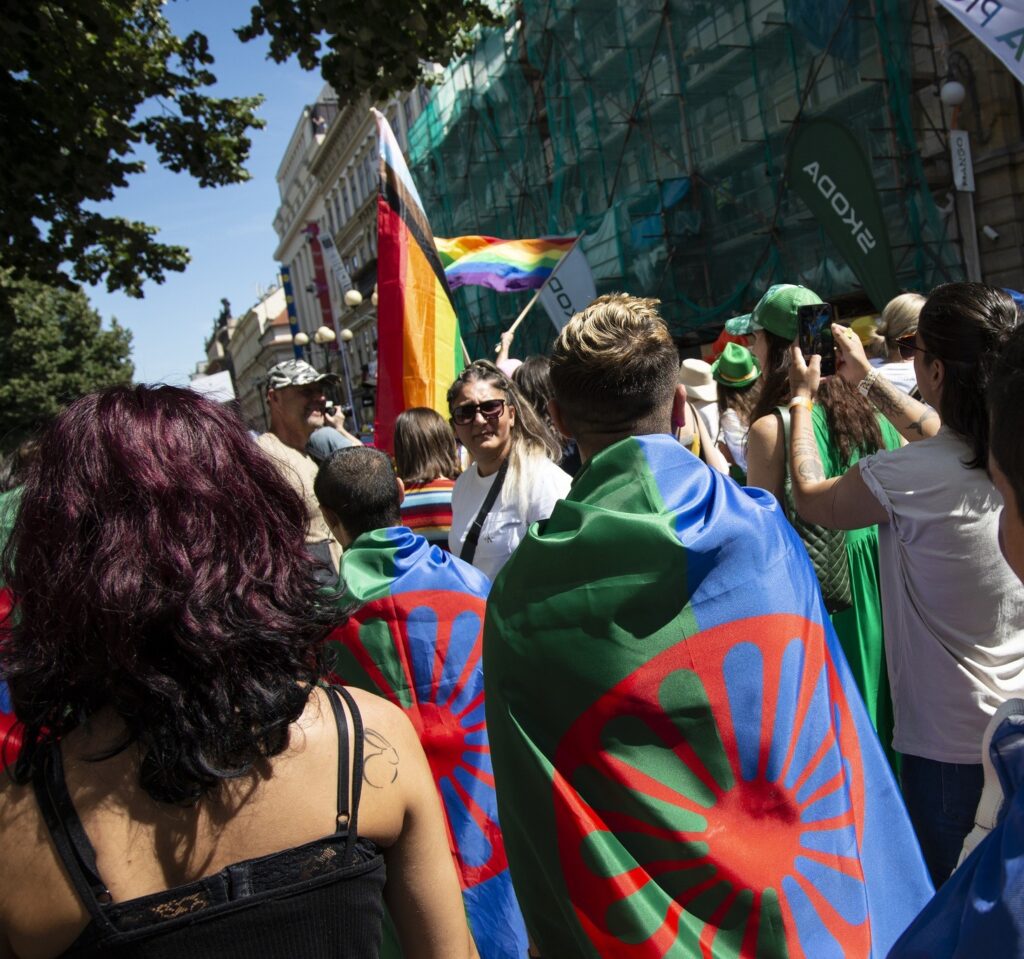
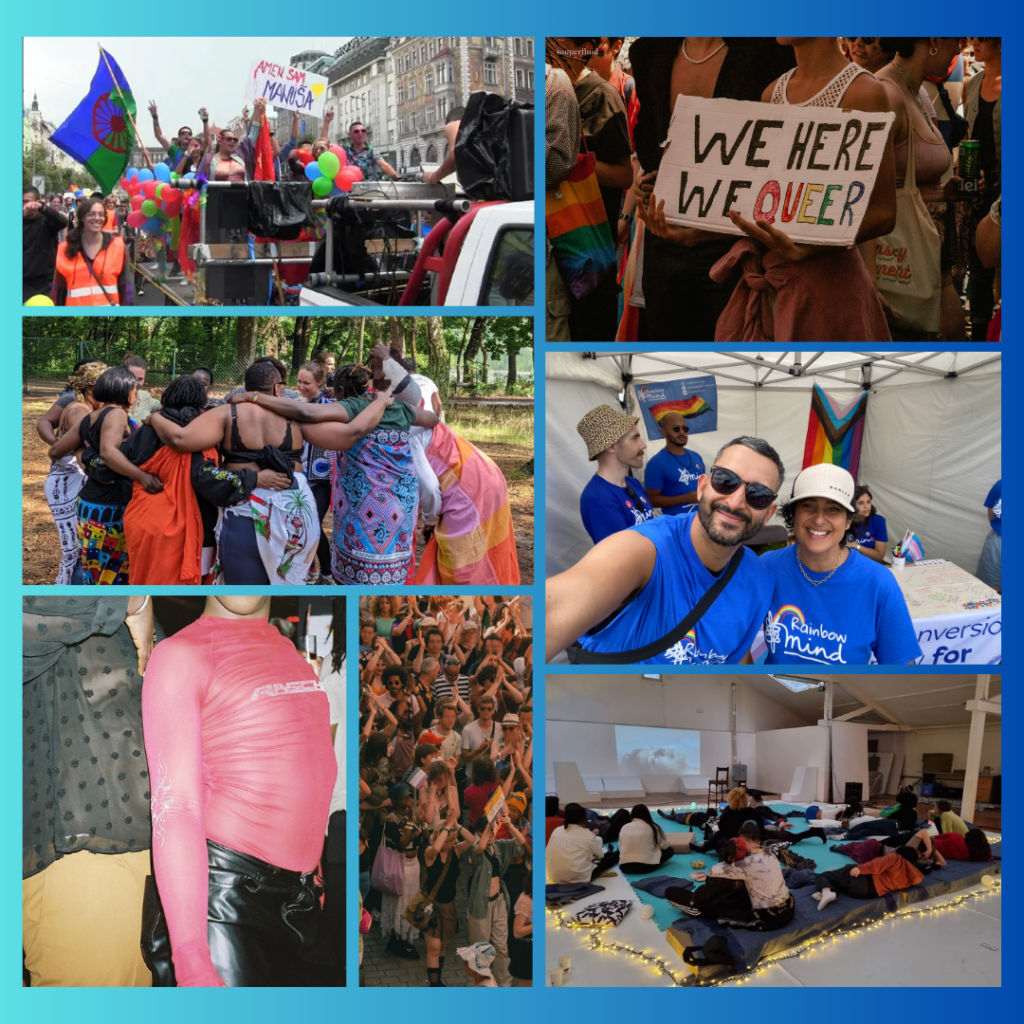
Over the past decade, ILGA-Europe has embarked on a learning journey to become an organisation that genuinely adopts an intersectional approach in all its work. But what does true intersectionality mean, and how can it be integrated into the work of the LGBTI activist movement?

This blog is based on a conversation between former ILGA-Europe team member Valeria Santostefano, former Executive Director Evelyne Paradis, and our new Executive Director Chaber for a special Frontline podcast episode in which they discuss our organisation’s journey over the past two decades towards adopting a more intersectional approach in our work.

Understanding intersectionality

Intersectionality, a concept coined by leading scholar of critical race theory, Professor Kimberlé Crenshaw, is a framework that recognises how various aspects of our identities, experiences, and backgrounds impact our lives, opportunities, and access. It emphasises that people are multifaceted, acknowledging that factors such as race, gender, sexuality, and class intersect to shape unique experiences of discrimination and privilege.

ILGA-Europe’s journey

ILGA-Europe has always recognised the need to include diverse voices and experiences. However, it was only in the mid-2010s that we began to critically question our own structures and practices. According to Evelyne Paradis, who was Executive Director of ILGA-Europe at the time, this shift involved reassessing the organisation’s practices to ensure inclusivity, rather than expecting others to fit into the existing structure.

Six ways ILGA-Europe has grown in practicing intersectionality

1. Recruitment practices

ILGA-Europe made a concerted effort to attract a diverse pool of applicants by re-evaluating our recruitment criteria and processes. We adjusted criteria to be more inclusive, removing barriers such as requiring certain levels of formal education or specific work experiences.

2. Event accessibility

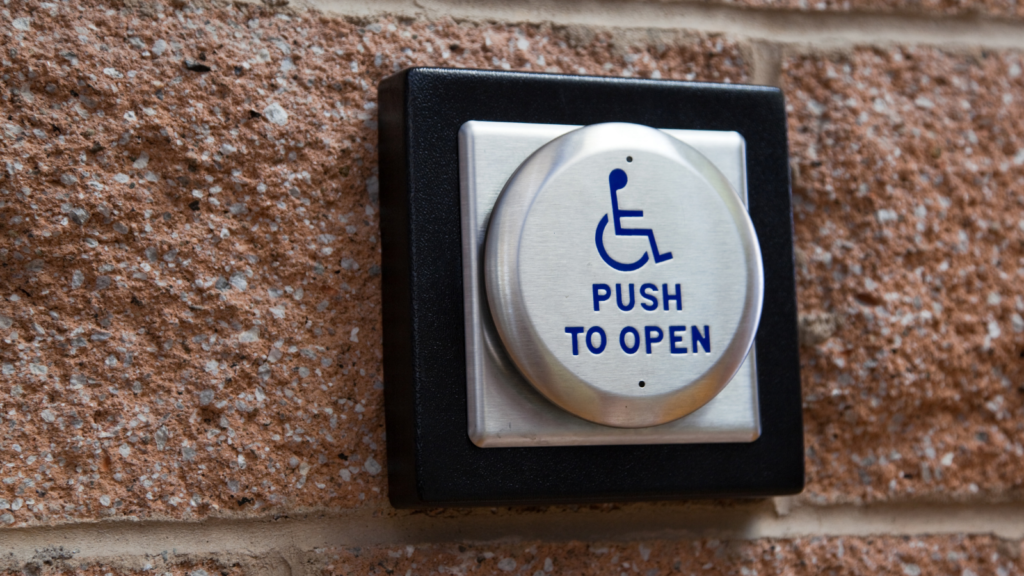
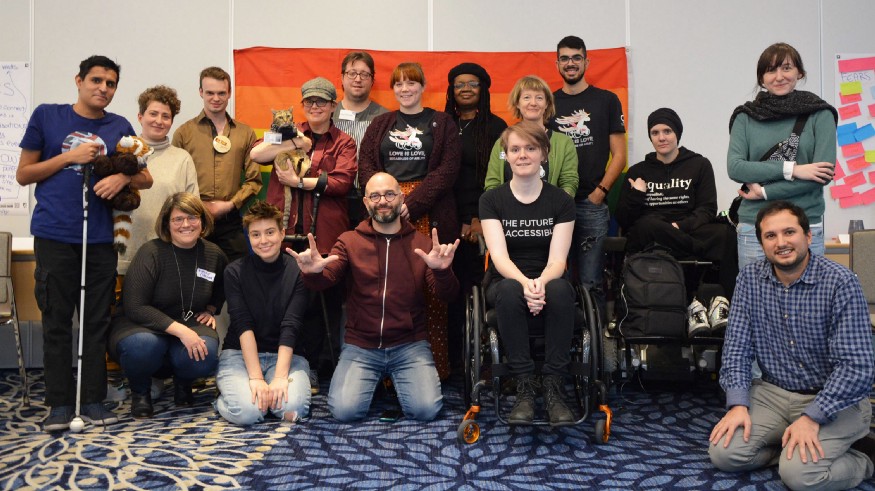
During our annual conference and other events, we have implemented measures to ensure accessibility for all participants. This includes providing materials in multiple languages, ensuring venues are accessible to people with disabilities, and offering travel grants to individuals from underrepresented communities.

3. Advocacy and policy work

ILGA-Europe has broadened its advocacy to include issues that intersect with LGBTI rights, such as socioeconomic inequalities, asylum and refugee rights, and access to healthcare. By working alongside other organisations focused on these areas, we aim to address the multifaceted nature of discrimination and ensure a holistic approach to human rights.

5. Rainbow map recalibration

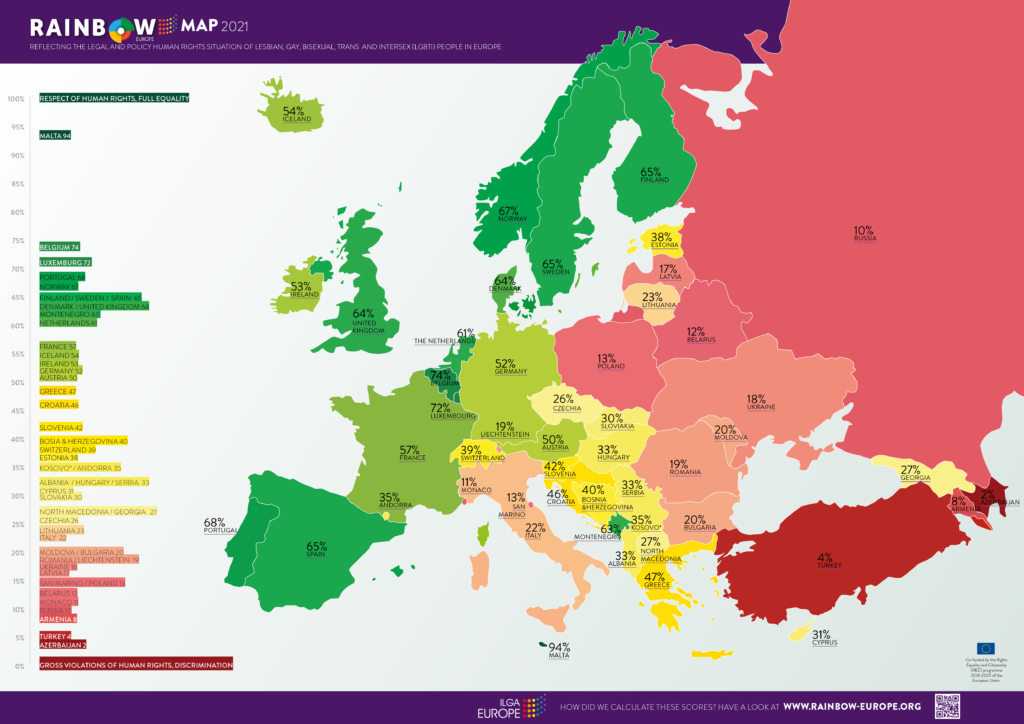
We recalibrated the Rainbow Map to place less emphasis on marriage equality and more on other critical issues such as legal gender recognition, hate crime legislation, and access to asylum. This shift recognises that while marriage equality is important, other areas require attention to achieve true equality.

6. Changes based on feedback

Chaber, the new Executive Director of ILGA-Europe, emphasises the value of receiving and acting on critical feedback. Detailed feedback that highlights unseen areas and areas needing improvement is crucial for understanding how to better support and represent underrepresented communities.

Building blocks for intersectionality

Building a learning organisation has been a fundamental aspect of our development. This involved dedicating time and resources to reflection and improvement, forming a working group on diversity and incorporating intersectionality into our annual planning. We also emphasise the importance of clear communication about our mission. While we are primarily an LGBTI rights organisation, we adopt an intersectional approach to ensure that our advocacy and support encompass a broad range of issues affecting our community. This includes addressing socioeconomic inequalities, working on issues of asylum and refugees, and engaging in broader human rights advocacy.

Sharing our learning with the wider movement

Recognising the value of not only integrating our learning around intersectionality in the materials we provide to help build the movement, such as publications, toolkits and skills boosts, we have published a number of resources on the ILGA-Europe Hub, which provides free and easy-to access learning cards, including on how to integrate intersectionality in your organisation, in policy and advocacy work, in recruitment processes, and in communications. The Hub intersectionality cards can be found here. If you don’t already have an account on The Hub, it’s a completely free-of-charge resource that’s super easy to join.

Moving forward

Starting small, such as having conversations about intersectionality within teams, can build into more substantial change. ILGA-Europe remains committed to this ongoing process, continually exploring how to make our work more accessible and representative of the diverse LGBTI community.

For a more in-depth discussion on how ILGA-Europe has worked to integrate intersectionality across all our work, listen to our special episode of The Frontline podcast.
Source

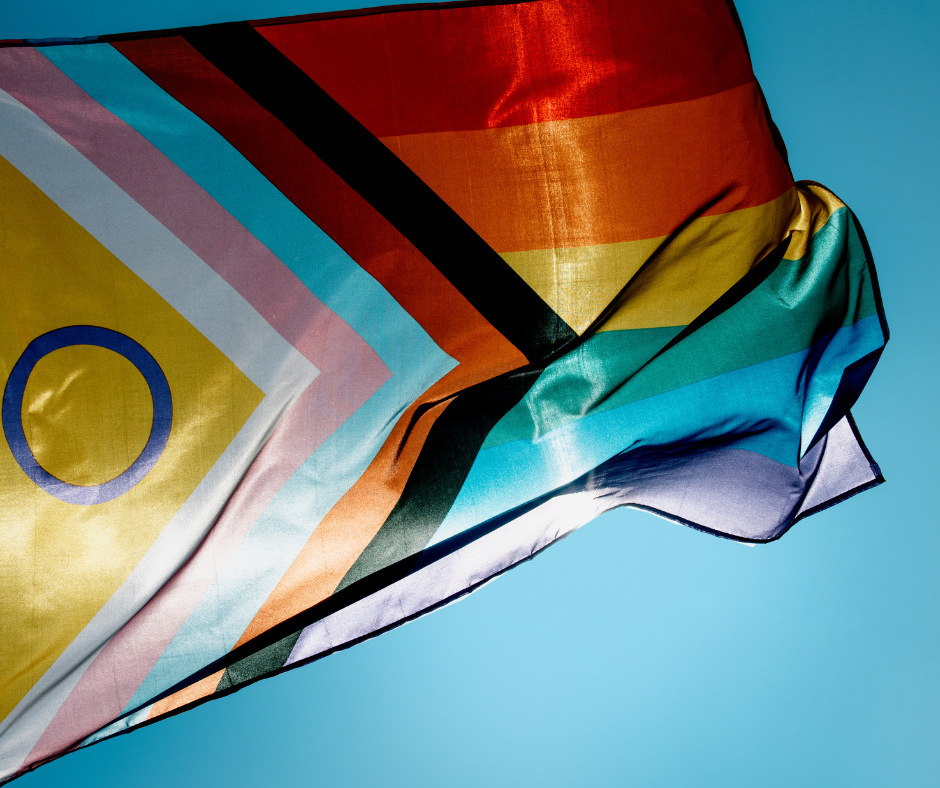
Photo source: Unsplash

See also

Press Release

Press Release: New Report Highlights Hidden Homelessness Faced by LGBTI People in Europe

New cross-country findings show how systemic stigma and economic vulnerability push LGBTI people into hidden homelessness and long-term instability. Brussels, 21/11/2025 – A new report […]
read more
Blog

Black Sex Worker Collective: dismantling housing injustice, racism and whorephobia

In Germany, new research carried out by Black Sex Worker Collective sheds light on how queer identity, migration status, race and sex work intersect to […]
read more
Blog

La Bassa Mar, a rural refuge of queer racialised power

In the Catalonian countryside, a trans-led sanctuary is centering community, healing, and sustainability as acts of resistance. “In most European countryside places, Black and Brown […]
read more
Blog

No borders, just beats: Temple Of’s sonic rebellion

Built by queer immigrants reclaiming joy and cultural memory, Temple Of is a collective transforming resistance into celebration through sound and care. “We are a […]
read more
Blog

“Healing in motion”: How one LGBTI mental-health organisation is reclaiming self-care

Rainbow Mind’s radical self-care programme invites queer people of colour to reclaim their joy as a political, creative, and collective act. But what is radical […]
read more
Blog

The healing power of gathering for queer Africans in Austria

A conversation with Afro Rainbow Austria on why shared physical spaces are essential for healing, connection, and collective strength. “You can’t know what it means […]
read more
Blog

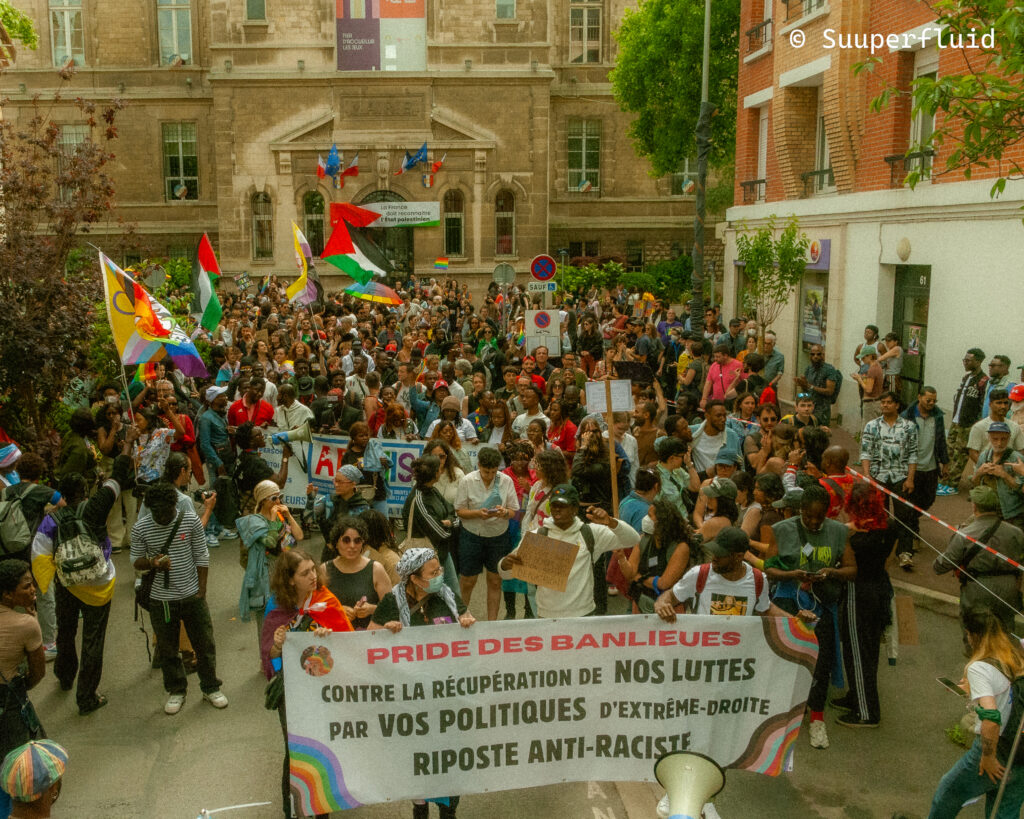
Pride as a force of collective power

Born from the fight against police violence and rooted in the struggles of marginalised communities, Pride des Banlieues is reclaiming Pride as a space of […]
read more
Blog

Why the threat to scrap a long-delayed EU Directive threatens LGBTI Roma rights

As the EU considers cancelling a crucial anti-discrimination measure, LGBTI Roma are vulnerable to even greater marginalisation. On International Roma Day, we’re mobilising people power […]
read more
Blog

How BIPOC queer activists are using artivism as resistance

Art has always been a powerful tool of resistance, allowing the oppressed to share their truths and experiences. For many Black, Indigenous, or People of […]
read more
News

Call for project proposals: Working with racialised LGBTI communities towards justice (2025-2026)

Why we launch this call In 2023, ILGA-Europe launched a new programme focused on work done by and for racialised LGBTI communities. In 2024, we […]
read more
Blog

Remarkable and resilient Prides across Europe

Amid political turmoil, war, social issues and cultural changes, Pride celebrations in Europe continue to demonstrate the resilience and determination of LGBTI communities Today, on […]
read more
Podcast

The Frontline: Intersectionality in the LGBTI movement

Intersectionality is a buzzword that’s often used, but what is true intersectionality and how do we fold it into the work of the LGBTI activist […]
read more
Blog

Roma and LGBTI: A spotlight on lived experiences

Today, as we mark International Roma Day, we celebrate a diversity of voices within the Roma LGBTI community, revealing the resilience, strength, and beauty of […]
read more
Blog

Future visions: 7 LGBTI groups working for racial justice and equity

In this blog, marking International Day for the Elimination of Racial Discrimination, seven of our partner organisations share their aspirations, visions, and messages for the […]
read more
News

Call for project proposals working with racialised LGBTI communities

Why we launch this call Last year, ILGA-Europe launched a new programme focused on work done by and for racialised LGBTI communities. With this call, […]
read more
Report

Intersections: The LGBTI II Survey – Persons with Disabilities Analysis

Disaggregated data, which can look deeply into the lived experiences of marginalised people, is a key demand of LGBTI and other human rights groups. With […]
read more
Report

Intersections: The LGBTI II Survey – Bisexuals Analysis

Disaggregated data, which can look deeply into the lived experiences of marginalised people, is a key demand of LGBTI and other human rights groups. With […]
read more
Report

Intersections: The LGBTI II Survey – Migrant and Racial, Ethnic and Religious Minorities Analysis

Disaggregated data, which can look deeply into the lived experiences of marginalised people, is a key demand of LGBTI and other human rights groups. With […]
read more
Report

Intersections: The LGBTI II Survey – Trans and Non-binary Analysis

Disaggregated data, which can look deeply into the lived experiences of marginalised people, is a key demand of LGBTI and other human rights groups. With […]
read more
Report

Intersections: The LGBTI II Survey – Intersex Analysis

Disaggregated data, which can look deeply into the lived experiences of marginalised people, is a key demand of LGBTI and other human rights groups. With […]
read more
Report

Intersections: The LGBTI II Survey – Older People Analysis

Disaggregated data, which can look deeply into the lived experiences of marginalised people, is a key demand of LGBTI and other human rights groups. With […]
read more
News

Call for project proposals: Addressing LGBTI homelessness in the EU

Why we are launching this programme In 2020, the Fundamental Rights Agency (FRA) released a survey that estimates that one in five members of the […]
read more
Report

Intersections: The LGBTI II Survey Analysis project

Disaggregated data, which can look deeply into the lived experiences of marginalised people, is a key demand of LGBTI and other human rights groups. With […]
read more
Video

Our Latest Call for Project Applications: Video Explanations

What kinds of organisations can apply? What do we mean when we say ‘racialised’? What types of work can you apply for support for? What […]
read more
News

New Call for Applications for Projects Working with Racialised LGBTI Communities

Why we are launching this programme Currently, the LGBTI movement across Europe operates in an increasingly hostile environment that directly affects the lives of LGBTI […]
read more
Report

Intersections: The LGBTI II Survey – Youth Analysis

Disaggregated data, which can look deeply into the lived experiences of marginalised people, is a key demand of LGBTI and other human rights groups. With […]
read more
Report

Intersections: The LGBTI II Survey – Lesbians Analysis

Disaggregated data, which can look deeply into the lived experiences of marginalised people, is a key demand of LGBTI and other human rights groups. With […]
read more
Blog

#BiVisibilityDay 2022: Discrimination and bi people at the intersections

In our analysis of the data from the largest LGBTI survey carried in Europe, we’ve found that bi people, particularly those with intersecting identities, experience discrimination in large numbers.
read more
Blog

6 Ways Forward for LGBTI Organisations to be Inclusive of People With Disabilities

BeLonG To, the leading Irish organisation for LGBT young people is on the vanguard of working on the instersection of LGBTI and disability. Here we share their journey so far, and some great tips for for LGBTI organisations who want to be inclusive of people with disabilities in their work.
read more
Blog

5 profound lessons we learned from working with disabled LGBTI activists and organisations

Making our work more inclusive is at the core of ILGA-Europe’s purpose. This is especially true in the case of disabled LGBTI people, who continue to be marginalised in our movement. In this blog, we share some of our learnings from working alongside disabled LGBTI activists. If you are part of a queer rights organisation, this may be particularly useful for you!
read more